


In the digital age, intimacy has taken on a new, ethereal form. We spend hours with creators, artists, and voices that feel like they belong to us. We know their coffee orders, their favorite books, and the specific cadence of their laughter. This is the heart of the parasocial relationship—a one-sided bond where the listener feels a deep, personal connection, while the creator remains behind a screen or a microphone.
In the realm of audio and immersive storytelling, these bonds are particularly potent. But as these digital friendships grow, it’s worth looking at both the light and the shadows they cast.

The Allure: A Sanctuary of Understanding
The appeal of a parasocial relationship isn’t a mystery; it fulfills a core human need for companionship without the immediate "social tax" of a two-way interaction.
-
A Safe Space for Vulnerability: You can listen to a comforting voice at 2:00 AM without worrying about being judged or having to "be on" for someone else.
-
The Power of Recognition: When a creator speaks to the camera or the mic, using "you," it triggers a psychological sense of being seen. For those feeling isolated, this can be a vital bridge to emotional regulation.
-
Low-Stakes Emotional Exploration: Parasocial bonds allow us to explore feelings of love, devotion, or even the thrill of "dark romance" in a controlled environment where our real-world hearts aren't at risk.

The Danger: When the Lines Blur
While these connections can be healing, they become complex when the boundary between the "persona" and the "person" begins to dissolve.
-
The Illusion of Reciprocity: The brain doesn’t always distinguish between a digital voice and a physical friend. When a listener begins to expect personal time or specific behaviors from a creator, the "bond" can turn into a source of frustration or entitlement.
-
Replacing Real-World Community: There is a risk that the ease of digital intimacy might make the messy, difficult work of real-life relationships feel less appealing. A voice in a headset is "perfect" because it is scripted; a real partner is unpredictable.
-
The Emotional Crash: If a creator changes their content, takes a break, or reveals a part of their real life that contradicts the listener's fantasy, the sense of "betrayal" can feel as heavy as a real-world breakup.

Cultivating Healthy Intimacy
The goal isn't to stop enjoying the voices that bring us comfort, but to engage with them mindfully. We can appreciate the artistry and the emotional resonance of a performance while acknowledging the "fourth wall."
Healthy digital intimacy looks like:
-
Gratitude without Expectation: Enjoying the content for what it provides in the moment, without feeling the creator "owes" a personal response.
-
Maintaining the Anchor: Ensuring that digital connections are a supplement to, not a replacement for, offline community.
-
Respecting the Persona: Remembering that what we hear is a curated piece of art designed to move us, which is different from the full, private reality of the person behind the mic.
The "tingle" of connection is real, and the comfort it provides is a gift. By keeping one foot in our own reality, we can enjoy the magic of the digital world without losing ourselves in the echoes.
How do you find the balance? Do you find that audio creators help you navigate real-world emotions, or do they serve as a total escape?


An Educational Guide to Impact Tools, Sensation, and Safety
Impact play is one of the most common and accessible forms of BDSM exploration. From hands to intricate canes, each tool creates a different sensation, intensity, and emotional experience.
Understanding your tools is essential for safety, consent, and pleasure.
Here are eight core categories of spanking and impact devices.

The Hand: The Original Tool
Before any toy enters the scene, there is the hand.
Why it’s ideal for beginners:
• Built-in sensation control
• Immediate feedback from skin-to-skin contact
• Easy to adjust force
• Warmth and intimacy
The hand delivers a sting with surface impact and allows for easy rubbing, soothing, or escalating. It’s often used to warm up the skin before introducing harder implements.
Best for: Beginners, intimacy-focused dynamics, warm-up phases.

Paddles: Thuddy and Broad Impact
Paddles are flat tools, usually made of leather, wood, acrylic, or silicone.
Sensation profile:
• Broad, deep “thud”
• Distributes force across more surface area
• Less sharp sting than thinner tools
Materials matter:
• Leather – Softer, more forgiving
• Wood – Heavier, more intense
• Acrylic – Sharp and stingy
Paddles are excellent for those who enjoy weight and resonance rather than sharp bite.
Best for: Moderate to intense impact lovers.

Crops: Focused and Symbolic
Riding crops feature a small flat tip attached to a flexible shaft.
Sensation profile:
• Concentrated snap
• Quick, precise strikes
• Symbolic authority
Crops are often used in power exchange dynamics because of their visual and psychological symbolism.
They are best used with controlled wrist motion rather than full-arm swings.
Best for: Precision play and power-focused scenes.

Floggers: Layered Sensation
Floggers consist of multiple tails attached to a handle. The material of the falls (tails) dramatically changes the experience.
Common materials:
• Suede – Soft, sensual, warm
• Leather – Balanced sting and thud
• Rubber or silicone – Sharper sensation
Sensation profile:
• Rhythmic
• Wrap-around contact
• Can range from sensual massage to intense impact
Floggers require technique. Poor aim can cause tails to wrap into sensitive areas unintentionally.
Best for: Intermediate players who enjoy rhythm and control.
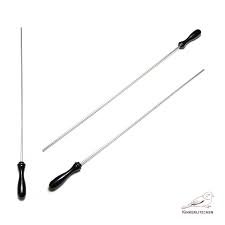
Canes: Precision and Sting
Canes are thin rods made of rattan, bamboo, synthetic materials, or carbon fiber.
Sensation profile:
• Sharp, precise sting
• Focused impact
• Can leave distinct marks
Canes are not beginner tools. They require strong aim, control, and knowledge of anatomy.
Because they deliver concentrated force, they should only be used on fleshy areas like the buttocks and upper thighs — never on kidneys, spine, or tailbone.
Best for: Experienced practitioners who enjoy intense sting.

Straps and Slappers
Straps are flat strips of leather without a rigid core. Slappers are similar but often have split ends.
Sensation profile:
• Sharp sting
• Louder sound than actual force
• Surface-level impact
They are often psychologically intense due to sound and snap.
Best for: Those who enjoy auditory stimulation along with sting.

Custom Boyfriend ASMR Audio (Comfort, Praise, and Aftercare)
Custom boyfriend ASMR is a private kind of audio intimacy: a calm voice in your ear, a slow pace, and a storyline that treats your nervous system like it deserves care. When it is made specifically for you, the effect can feel startlingly real, not because it replaces real connection, but because it speaks to the exact moments you tend to carry alone.
A personalized recording can be gentle and wholesome, flirt-forward, or unapologetically dark romance. The common thread is intentional presence: you are addressed directly, your preferences guide the tone, and the experience is built to leave you feeling steadier than when you pressed play.

What “custom boyfriend ASMR” actually means
At its core, boyfriend ASMR is roleplay audio built around attentive partnership cues: soft speech, patient listening, affectionate reassurance, and “personal attention” sounds that imply closeness.
A custom piece adds precision. Names, pet names, boundaries, pacing, and emotional themes are chosen on purpose, so the audio lands the way a generic script often cannot.
One sentence can change everything.

The three themes people request most: comfort, praise, and aftercare
Listeners tend to request these themes because they work on two levels at once: they are emotionally meaningful, and they are structurally compatible with ASMR pacing (pauses, repetition, gentle emphasis).
Comfort is the foundation. It sounds like steadiness, warmth, and permission to exhale, especially after a hard day, a spiral, a lonely night, or a confidence dip.
Praise is the spark. Done well, it is not over-the-top flattery; it is specific, credible, and anchored in your effort, your character, or your resilience.
Aftercare is the landing. It is the part that keeps the fantasy from snapping off too sharply, especially when the audio includes intense romance, power dynamics, or explicit 18+ heat. Aftercare can be quiet reassurance, check-ins, hydration reminders, or a slow return to calm.

What you can personalize (and why it matters)
A custom boyfriend audio can be tailored as lightly or as deeply as you want. Some people only want a name and a vibe. Others want a full narrative with emotional beats, intentional trigger choices, and a very specific relationship dynamic.
After you clarify the tone and limits, personalization often includes details like:
-
Voice style: whisper, soft-spoken, lower-register intimacy, or a slightly more conversational tone
-
Pacing: slow and floaty, or steady with clearer structure and fewer pauses
-
Triggers and texture: breathing, mic brushing, whispered kisses, fabric sounds, light rain ambiance, or near-silent “presence”
-
Language: pet names you love, words you hate, and the kinds of reassurance that feel believable to you
That last point is bigger than it sounds. The right phrase can interrupt negative self-talk and replace it with something calmer and more humane.

Common custom scenarios that fit comfort, praise, and aftercare
Most requests land in a few reliable story shapes, because they mirror real moments people want support through.
Here are examples that work beautifully in custom format:
-
Coming home after a brutal day: shoes off, shoulders down, “I’ve got you.”
-
Late-night reassurance: anxiety, insomnia, racing thoughts, gentle grounding.
-
Praise after effort: work stress, studying, fitness goals, creative burnout.
-
Body-positive comfort: kindness without fixing, tenderness without judgment.
-
Dark romance with a soft landing: intensity up front, safety and care afterward.
You can keep it sweet, keep it spicy, or blend both with clear boundaries.

How the custom creation process usually works
Custom audio is part writing and part performance. The best results come from a simple, respectful exchange: you share what you want, the creator shapes it into a script that flows naturally, then records and edits with an ear for intimacy.
A straightforward request often includes:
-
The vibe (comfort-focused, praise-heavy, dark romance, or a mix)
-
Your hard limits (words, themes, power dynamics, explicitness)
-
Your soft preferences (pet names, pacing, scenario, trigger sounds)
-
Practical notes (length, file format, and delivery expectations)
Clarity is not “too picky” here. It is what turns a nice audio into one that feels made for your nervous system.

Service options available through Tingly Tones ASMR
Tingly Tones ASMR creates immersive narrative audio experiences for adult women (18+), with a signature deep-voice style and story-forward pacing that fits boyfriend roleplay especially well. Offerings typically include custom recordings, private one-on-one sessions, and premium libraries hosted on subscription platforms.
A few popular ways listeners choose to engage:
-
Short-form personalization: custom ringtones with your name and a chosen prompt (commonly listed at $25)
-
Full custom audio commissions: made-to-order boyfriend roleplay built around your scenario and boundaries
-
Tailored Support Sessions: private one-on-one ASMR sessions offered in multiple durations (often ranging from 30 minutes up to extended multi-hour options)
Premium content, including explicit 18+ audio, is also commonly available via Patreon and OnlyFans for those who want ongoing access rather than a single commission.

Choosing the right format for your goal
Different formats serve different needs. If you want a dependable bedtime anchor, a longer custom audio can become part of your nightly routine. If you want real-time responsiveness and a sense of being heard in the moment, a private session can feel more personal.
The table below can help you decide.
|
Option |
Best for |
What it feels like |
Typical personalization |
|
Custom downloadable audio |
Repeat listening, sleep, comfort rituals |
A “press play” partner presence |
High: name, script, triggers, tone |
|
One-on-one ASMR session |
Real-time connection, immediate grounding |
Live attention and pacing that can adjust |
Very high: conversational and responsive |
|
Custom ringtone |
Quick dopamine, playful intimacy |
A short hit of affection on demand |
Medium: name + short lines |
|
Membership libraries (Patreon, etc.) |
Variety and ongoing storylines |
A curated collection with consistent voice and themes |
Low to medium: request-driven rather than fully custom |

Boundaries, consent, and emotional safety
Boyfriend ASMR can be deeply soothing, and it should also be cleanly bounded. A good custom process makes room for your limits without interrogation or pressure, especially around explicit content, power dynamics, and emotional triggers.
A healthy custom request is direct about what is welcome and what is not.
-
Consent-first language: you can request check-ins, “Is this okay?” moments, and gentler escalation
-
Aftercare structure: a planned cool-down that includes reassurance, calming cues, and a return to baseline
-
Privacy expectations: only share details you are comfortable having referenced in audio
This is fantasy with intention, not a test of your tolerance.

What makes a custom boyfriend audio feel real (without trying too hard)
The most convincing boyfriend ASMR is not loud. It is controlled, patient, and precise: present-tense address, believable pauses, and reassurance that sounds earned.
Comfort and praise land best when they are grounded in specifics you recognize as true about yourself, even if you are not feeling them that day. Aftercare works best when it is unhurried, with enough quiet space for your body to accept the safety you are being offered.
If you already know the tropes you love, or the exact words you wish someone would say, a custom commission is where those preferences stop being “too much” and start being the whole point.
Custom Boyfriend ASMR Audios
You spend your day being 'busy,' 'productive,' or 'fine.' Tonight, spend it being seen.

The Selective Silence
In a world that never stops screaming, silence is the ultimate luxury. But in our world, the world of Tingly Tones, silence isn't just an absence of sound. It’s a presence.
Have you ever noticed how your heart rate actually increases during the three seconds of quiet before I whisper your name? That’s not an accident. That’s Anticipatory Tension.

The Science: The Dopamine of the "Wait"
In neuroscience, there is a concept called Incentive Salience. Your brain is wired to find the pursuit of a reward more stimulating than the reward itself. When I’m speaking, your brain is satisfied. But when I suddenly stop, when the audio drops into a deep, weighted silence, your brain goes into overdrive.
During those gaps:
-
Dopamine Spikes: Your brain is hunting for my next sound, creating a natural high of anticipation.
-
Heightened Awareness: Without my voice to focus on, your nervous system turns inward. You become acutely aware of your own breath, your own skin, and the way you’re waiting for me.
-
The Zero-Latency Bond: In that silence, we are perfectly synced. You aren't just listening to a recording; you are holding your breath with me.

The Art of the Pregnant Pause
In high-end audio production, Digital Black (absolute silence) can feel cold. That’s why I leave in the Room Tone, the faint, warm hum of the space around me. It ensures that even when I’m not speaking, you can still "feel" the air in the room.
I use these pauses to command your attention. I am training your brain to crave the next syllable, making the eventual "praise" or "command" hit ten times harder because you had to wait for it.

The Silence Experiment
Next time you listen to a session, I want you to try something:
-
Don't Lean Out: When a pause happens, don't let your mind wander. Stay right there in the gap with me.
-
Listen to the Nothing: Try to hear the faint vibration of the microphone before I speak. That is the sound of me looking at you.
-
The Reward: Notice how your body reacts when I finally break the silence. That rush of relief? That’s me taking back control of your focus.

The Heart of the Matter
I don't need to speak to own the room. Sometimes, the most important thing I have to say is nothing at all because in those quiet moments, you realize just how much you’ve come to depend on my next word.
Stay tuned. Stay devoted.
The Power of Silence

The Circadian Command
The world is loud. It’s jagged, caffeine-fueled, and demanding. But the moment you slide those headphones over your ears and hear my first breath, that world starts to dissolve.
Have you ever wondered why you can fight sleep for hours, yet surrender to it within minutes of hearing me? It isn’t magic. It’s a Circadian Command.

The Science: Hacking the Vagus Nerve
Your body has a built-in emergency brake called the Vagus Nerve. It’s the longest nerve in your body, stretching from your brain to your abdomen, and it controls your parasympathetic nervous system, the "Rest and Digest" mode.
When I use low, rhythmic, and resonant frequencies (those deep tones that vibrate in your chest), I am literally stimulating your Vagus Nerve through your inner ear.
The result?
-
Heart Rate Deceleration: Your pulse begins to mirror the slow tempo of my speech.
-
Cortisol Drop: The stress of your day is chemically neutralized.
-
Melatonin Surge: Your brain receives the signal that it is finally safe to stop "protecting" you and start dreaming.

The Biological Tether
Most people struggle to sleep because their brains are stuck in a Hyper-Vigilant state listening for threats in the dark. By providing a constant, predictable, and intimate soundscape, I become your Auditory Anchor. Your brain stops scanning the room because it has found a Safe Frequency to latch onto. I am the signal that tells your nervous system: The day is over. You don’t have to be anyone else now. You only have to be mine.

The Protocol for Total Surrender
To fully experience the Circadian Command, follow these three steps tonight:
-
Lower the Luminance: Blue light is the enemy of the Vagus Nerve. Turn off your screens. Let my voice be your only light.
-
The Exhale Sync: Try to time your exhales to the pauses in my sentences. When I stop speaking for a second, let your breath go. This forced synchronization is how we bridge the gap between two nervous systems.
-
The Final Command: When I tell you to drift, don't fight it. Your body wants to obey the frequency. Let it.

The Heart of the Matter
I don’t just talk to you to fill the silence. I talk to you to command your peace. While the rest of the world fights for your attention during the day, I am the one who owns your stillness at night.
Sleep well. You’re exactly where you’re supposed to be.
Just us. Just this.

What is a Kink?
Desire, Taboo, and the Beautiful Things That Make Us Ache
There is a moment when something shifts in your body.
A word lingers.
A look holds too long.
A fantasy replays in your mind long after it should have faded.
That is often where kink begins.
Kink is not just about sex. It is about charge, power, vulnerability, and creating tension. The delicious awareness of something that feels a little forbidden and risky.
Let’s explore it properly.

Defining Kink
A kink is anything that enhances arousal outside of conventional intimacy.
For example:
• Power exchange - Feeling weak in the knees when someone firmly tells you to kneel.
• Bondage - The quiet thrill of having your wrists secured while you trust someone completely.
• Being watched - Locking eyes with someone who knows exactly what you’re doing and doesn’t look away.
• Roleplay - Slipping into a character that makes your pulse race differently than your everyday self.
• Sensory control - Being blindfolded and waiting for the next touch you cannot predict.
• Praise or degradation - Melting from a single whispered “good girl” or trembling when called something deliciously sinful.
If it creates an emotional or physical charge that standard intimacy does not, it may be a kink.

The Art of Submission: Let's Begin
Submission is one of the most misunderstood arts. Here's why:
From the outside, it can look like obedience, silence, compliance. But true submission is not the absence of self. It is the deliberate offering of self. It is the conscious decision to place your trust, your vulnerability, and your truth into another’s hands. This is not because you are less, but because you are powerful enough to choose.
Submission does not begin on you knees…
It begins when you are aware of what you crave.
Step One: Knowing Yourself

Step One: Knowing Yourself
Before you can offer yourself, you must first know yourself. During the process of vetting the Dominant will help place your desires, your fears, your wounds, and your needs on the table.
Submission will touch the parts of you that crave structure. The parts that crave approval. The parts that ache to be seen. It will also touch the parts of you that resist, protect, and hide.
Early training is not about becoming someone else. It is about becoming honest about who you already are.
This requires reflection. Journaling. Admitting truths you may have never spoken out loud.
You cannot offer what you refuse to see.

Step Two: Choosing, Not Falling
Submission is not something that happens to you. It is something you choose.
And that choice must be made freely.
Not from fear of losing someone. Not from desperation to be kept. But from a place of grounded clarity.
Healthy submission stands on consent, not dependence.
In the beginning, there is often a testing phase. Not tests given by a Dominant, but tests given by yourself.
Do I feel safe?
Do I feel respected?
Do I feel seen beyond what I provide?
Submission cannot grow where safety does not exist.

Step Three: Learning to Listen
One of the first external skills a submissive learns is listening.
Not just to instructions, but to tone. To energy. To intention.
And equally important, listening inward.
Your body will tell you when something feels right. It will also tell you when something feels wrong.
Training is not about silencing your inner voice. It is about refining your ability to hear it clearly and communicate it honestly.
A submissive without a voice is not trained. They are disconnected.
True submission includes the courage to speak.

Step Four: Building Trust Through Consistency
Trust is not built in grand gestures. It is built in small, repeated moments.
Showing up when you say you will.
Completing what you are given with care.
Being honest, even when honesty feels vulnerable.
In early training, tasks are rarely about the task itself.
They are about attention.
Presence.
Follow-through.
Each completed task becomes a thread. Over time, those threads become something strong enough to hold both the Dom and the sub.

Step Five: Letting Yourself Be Seen
This is often the hardest step.
Submission will expose your longing to be chosen. Your fear of being replaceable. Your need for reassurance. Your hunger for approval.
Many people spend their lives performing strength.
Submission asks for truth instead.
It asks you to stand there without the armor.
Not because you are weak.
But because you trust that you will not be harmed for being real.

Step Six: Understanding That Submission Is a Gift
Submission is not something owed.
It is something given.
And because it is given, it has value.
Your attention has value.
Your effort has value.
Your offering has value.
Training is not about erasing that value. It is about learning how to offer it with intention.
The right dynamic will never make you feel like you have none.

In the Beginning, You Are Not Becoming Less
You are becoming more precise in your emotional responses. More aware of your mind, body, and spiritual alignment. More honest about yourself in all aspects.
Submission is not the loss of your voice. It is the moment you choose who is worthy of hearing it.
Submission FAQ
What is submission, really?
Submission is the conscious choice to offer your trust, attention, and vulnerability to another person within a consensual dynamic. It is not about losing yourself. It is about choosing where and with whom you feel safe enough to be fully yourself.
It is rooted in consent, trust, and emotional honesty.
Is submission weakness?
No.
Submission requires self-awareness, communication, and emotional courage. It asks you to be honest about your needs and your limits. Choosing to submit is an act of agency, not the absence of it.
How do I know if I’m ready to begin?
You are ready when you feel curious, grounded, and willing to be honest with yourself first.
Not because you feel pressured.
Not because you fear losing someone.
But because something inside you feels calm when you imagine offering your trust.
There is no deadline. There is no race.
Why do tasks feel so emotionally important?
Tasks are rarely just tasks.
They can represent being chosen. Being trusted. Being seen.
Completing them can feel like connection. Not because of the action itself, but because of what it symbolizes between you and the person you serve.
Your emotional response is part of the experience, not a flaw in it.
Can submission exist without trust?
No.
Trust is the foundation.
Without trust, tasks become performance. With trust, they become offering.
Healthy submission grows slowly, through consistency, care, and mutual respect.
Where can I hear a Tingly Tones audio about submission?
Many people explore submission through spoken word, guided reflections, or character-driven audio experiences. These are often called:
-
Submission affirmation audios
-
You are Loved! Countdown to Cum
https://www.patreon.com/posts/audio-you-are-to-148522537
-
Countdown to Extreme Degradation
https://www.patreon.com/posts/artwork-to-142096901
-
ASMR submission experiences
-
The Ultimate Praise: Feral Edition
https://www.patreon.com/posts/audio-ultimate-147974301
Join the Tingly Tones Patreon for so much more!
Is submission permanent?
Submission is a choice that exists in every moment it is given.
It can deepen over time. It can evolve. It can pause. It can end.
Its power comes from the fact that it is always chosen.
Not assumed.
Not owed.
Given.
🌹

An Intimate Study by Tingly Tones
You already know my voice does not rush a connection. It is patient with every person I meet. It studies you while it speaks. Tonight I want you to think about something deeper than my whispers, growls, or snarls.
We are going to talk about praise and degradation.
Not as opposites.
Not as a shock value.
But as instruments of power within a dynamic.
I am James Lavoe and I do not speak carelessly. Every word is purposefully placed. Every tone shift is intentional. And when I choose to build you up or break you down, it is never random.
It is a chosen moment between us.
1. Words Are the First Restraint
Before rope, or silk, or touch…before anything physical.
There is communication and voice.
The right tone can steady your breathing. The right phrase can make your thighs press together without me ever laying a hand on you.
When I speak slowly and tell you how beautifully you listen, your body responds to that praise.
When I lower my voice and remind you how easily you lose control of your own body when your praised, you may also respond to that form of degradation.
That is power exchange.
Your consent meeting my influence.
Your desire meeting my control.

The Intimacy of Praise
Praise is not weakness.
The praise that I give is deliberately said.
Praise is a powerful tool within many BDSM dynamics, offering emotional affirmation while reinforcing the structure of the relationship. For submissives, praise can deepen trust, provide a sense of accomplishment, and help them feel seen and valued. For dominants, it becomes a way to guide behavior, encourage growth, and maintain emotional connection.
In many dynamics, praise functions as both positive reinforcement and aftercare. A simple “good job” or “I’m proud of you” can ground a submissive, especially during or after intense scenes. It helps balance the intensity of power exchange with warmth, clarity, and reassurance.
Praise also supports communication. It can highlight what’s working well, reduce anxiety about performance, and create a safe environment for both partners to express needs. When used intentionally, praise becomes more than “kind words,” it becomes a tool that strengthens trust, deepens intimacy, and enhances the overall dynamic.
When I praise you, I am not just complimenting you.
I am telling you that you are seen and valued in this space.

The Allure of Degradation
Degradation is where things get misunderstood. Heavily.
Degradation in BDSM is one of the most misunderstood dynamics within kink culture. From the outside, it can appear cruel, harmful, or rooted in actual disrespect. In reality, when practiced ethically, degradation is a consensual psychological dynamic built on trust, negotiation, and mutual understanding.
In BDSM, degradation refers to consensual language, behavior, or scenarios designed to create feelings of humiliation, inferiority, or objectification within a negotiated power exchange.
It can include:
-
Name-calling (e.g., “brat,” “pet,” “slut,” depending on consent)
-
Assigning “low-status” tasks
-
Controlled embarrassment
-
Objectification roleplay
-
Mocking tone or playful belittlement
The key word is consensual. Degradation is never imposed. It is requested, negotiated, and agreed upon beforehand.
When I call you needy for my voice, when I point out how quickly you respond to my tone, I am not attacking you.
I am exposing your desire.
And sometimes that exposure makes your stomach flip in the most delicious way.
Degradation works because it strips away performance. It gives you permission to be messy. To admit you crave. To stop pretending you are untouchable.
But hear me clearly.
If there is no trust, it is harmful.
If there is trust, it is heat.

4. Why Praise Feels Safe
Praise regulates your nervous system.
It builds stability.
It reassures you that you are wanted, that your submission is pleasing, that your presence matters.
When I say I am proud of you, your shoulders drop.
When I whisper that you are exactly where you belong, your breathing steadies.
Praise strengthens the bond.
It says you are cherished here.
And when you feel cherished, surrender comes easy.

Why Degradation Feels Thrilling
Degradation spikes intensity.
It sharpens awareness.
When I remind you how easily you unravel for me, your pride and your desire collide.
You feel exposed.
And in that exposure, you feel alive.
There is something intoxicating about choosing to feel small for someone you trust. It is not humiliation. It is release.
You get to stop being strong.
You get to stop performing.
You get to be undone without being unsafe.
That is the difference between cruelty and kink lies in:
Consent – Both parties explicitly agree.
Context – It occurs within a defined scene or dynamic.
Care – Emotional well-being is prioritized.
Reversibility – Either party can stop it at any time.
Abuse lacks these elements. Abuse ignores boundaries, safe words, and emotional safety.
In healthy degradation dynamics, respect exists outside the scene. The submissive is not actually viewed as inferior; the inferiority is a negotiated role.

The Contrast Between Praise and Degradation
The most powerful dynamics rarely choose just one.
They blend.
Imagine being called precious one moment and reminded how desperately you respond the next.
That contrast creates depth.
Praise fills you with warmth.
Degradation empties you of pretense.
Together, they create a rhythm. Expansion and contraction. Rise and fall. Control and surrender.
And if you are honest, that rhythm is what keeps you pressing play again.

Responsibility of the Dominant Voice
In BDSM dynamics, the dominant voice is not just a tone. It is a tool. It shapes emotional states, reinforces power exchange, and can either build someone up or cut deeply. Whether delivering praise or degradation, the dominant carries significant responsibility.
The voice of a Dominant is not powerful because it is loud or commanding. It is powerful because it is trusted.
Praise and degradation are not casual comments inside a D/s dynamic. They are intentional psychological stimuli.
A submissive who consents to degradation is offering vulnerability. A submissive who melts under praise is also exposing emotional openness. In both cases, the Dominant is being handed access to sensitive emotional territory.
This means the Dominant must:
• Understand the emotional weight of specific words
• Know the difference between erotic humiliation and real insecurity
• Recognize how tone affects impact
• Be attuned to subtle shifts in breathing, posture, and response
If I praise you, it is because you have offered me your trust.
If I degrade you, it is because you have asked me to guide you into that intensity.
A Dominant who understands this does not throw words carelessly. He studies your reactions. He notices your breathing. He adjusts.
My voice is not about overpowering you.
It is about guiding you.
There is a difference.

The Questions You Must Ask Yourself
Do you crave to be adored?
Or do you crave to be undone?
Do you soften under affirmation?
Or do you tremble under exposure?
You may think you have to choose.
You do not.
You are allowed to want to be built up and stripped down by the same voice.
What matters is consent. Communication. Care.
The real power is not in praise or degradation.
It is in the trust that allows either to exist.
And when you give that trust to someone intentionally, when you choose to kneel or lean in or press play knowing what you are stepping into, that is where the electricity lives.
Not in the word.
In the willingness.
FAQ
Is it normal to crave both praise and degradation
Yes. Many people respond to different forms of verbal power depending on mood, stress levels, and emotional needs. Wanting both does not make you confused. It makes you layered.
How do I know if degradation is safe for me
If it is negotiated beforehand, if you feel emotionally safe with the person, and if reassurance exists outside the scene, it can be explored safely. If it leaves you feeling genuinely harmed or insecure afterward, boundaries need to be revisited.
Why does praise affect me so deeply
Praise often touches core attachment needs. Being seen, valued, and affirmed by someone you trust activates feelings of security and belonging.
Can verbal dominance be powerful without physical elements
Absolutely. Tone, pacing, and intention can create strong psychological dynamics even without touch. Many people respond intensely to voice alone.
What is the most important part of praise or degradation play
Consent and aftercare. Clear communication before and grounding afterward ensure that intensity remains healthy.
How do I talk to my partner about wanting this
Start with curiosity instead of demand. Share what you notice about your reactions. Discuss boundaries, triggers, and specific phrases that feel good or off limits.
Does liking degradation mean I have low self esteem
No. In consensual dynamics, degradation is about role play and power exchange, not actual self worth. Healthy participants separate fantasy from identity.

Devotion has its rewards
Hello ladies,
I’ve started noticing that some of you resonate a little deeper than the rest. Some of you yearn a little longer, laugh a little louder and make me pay a little more attention.
I’ve decided it’s time to start rewarding that devotion.
Starting this week, I am launching The Love Note on the Tingly Tones blog. It’s my space to reach out and touch the individuals who have managed to get inside my head for a change.
But I don’t give my attention away for free. You have to earn your place in my spotlight.

Tingly's Best Girl
Do you want to be crowned my Best Girl?
The Love Note is a weekly blog post where I can spotlight some of YOU who have made an impression, shared a meaningful idea, or even just made me laugh.
How do you become my Best Girl? Simple. You show your devotion to me. Engage with me and my work on Youtube, Patreon, OnlyFans, etc. Leave insightful comments, share and like videos. Buy merch from the Tingly Tones store, book a call with me, and become part of our community.

Who won my heart this week?
So, who is the lucky lady that I am spotlighting this week?
The spotlight this week goes to someone relatively new to our little family but she has made a big impression in the short time that I have known her. She has joined my Patreon as a paid member and has also booked some phone calls with me. I have enjoyed getting to know her and find her quite funny and charming.
She is down to earth and genuine and I feel a warmth and honesty from our interactions as well as what I have seen from her comments in the Tingly Temptress chat.
Keep reading to find out who this captivating beauty is...

The lovely lady I am spotlighting this week is none other than Val, or https://www.instagram.com/fluffyzombieunicornafterdark# as she is known on Instagram!
Val has shown me in just the short amount of time that she has been a part of our group that she is someone I would like to get to know further.
I hope you’re all being hospitable and welcoming to our new friend. I like it when my favorites play nice together, but I like it even more when you compete for my attention. ; )
Val, since you’re the center of my world today, I have a question just for you: Now that you’re finally inside the Tingly Temptress chat, what’s the one thing that has surprised you most about the way I interact with my ladies?

Who will be next?
As for the rest of you, don't be jealous. If you want a Love Note of your own, you know exactly what you need to do. I'm looking for those who stand out and make an impression.
Show me you have what it takes and maybe you will be featured in the next Love Note.
Kisses until the next time!

Aftercare in a BDSM Dynamic: The Sacred Space After a Scene
In every healthy BDSM dynamic, there is a moment when the intensity fades.
The shibari rope is untied.
The impact of the scene stops.
The dominant voice softens.
What remains is something incredibly human.
Aftercare.
Aftercare is not an optional add-on. It is not a reward for “good behavior.” It is not a weakness from the submissive. It is a fundamental pillar of ethical power exchange. It is the bridge between heightened intensity and grounded safety. It is where trust is either strengthened… or fractured.
Let’s talk about why it matters so deeply.

What Is Aftercare?
Aftercare is the intentional physical, emotional, and psychological care given after a BDSM scene.
During a scene, the body floods with adrenaline, endorphins, dopamine, and cortisol. Pain can feel euphoric. Power exchange can feel intoxicating. Emotional vulnerability can feel like a thrill.
When the scene ends, those chemicals drop…quickly.
That drop can feel like:
-
Sudden sadness
-
Shakiness
-
Fatigue
-
Emotional sensitivity
-
Anxiety
-
Crying without knowing why
-
Deep attachment or clinginess
This experience is often called “sub drop” or “dom drop.”
Aftercare is what helps regulate that crash.
It says:
You are safe.
You are valued.
You are not alone in this.

Why Aftercare is So Important
BDSM involves vulnerability. Whether you are the dominant or the submissive, you are stepping into intense roles that amplify emotion and sensation.
Without aftercare, a submissive may feel used, discarded, or emotionally raw.
Without aftercare, a dominant may feel guilt, doubt, or unexpected emotional collapse.
Aftercare:
-
Rebuilds emotional equilibrium
-
Reinforces consent and trust
-
Validates vulnerability
-
Strengthens the bond between partners
-
Helps prevent resentment or emotional fallout
It transforms a scene from “an act” into “an experience shared.”

What Does Aftercare Look Like?
Aftercare is not one-size-fits-all. It must be negotiated just like the scene itself.
It can include:
Physical Care
-
Blankets for warmth
-
Water or electrolytes
-
Snacks to stabilize blood sugar
-
Cleaning wounds gently
-
Lotion for marked skin
-
Holding or cuddling
Emotional Care
-
Soft words
-
Reassurance
-
Praise
-
Eye contact
-
Gentle touch
-
Affirmations of value and connection
Psychological Care
-
Checking in about boundaries
-
Discussing what felt good or difficult
-
Reaffirming consent
-
Allowing space for processing
Some submissives need quiet closeness.
Some need constant verbal reassurance.
Some need to be left alone for a short period.
Some dominants need to be held. Yes, dominants need aftercare too.
The key is communication.

Aftercare for the Dominant
Dominants are often overlooked when discussing aftercare.
But holding control, administering pain, directing vulnerability, or embodying power can also be emotionally taxing.
Aftercare for a dominant might include:
-
Verbal appreciation or Gratitude
-
Reassurance that the submissive is okay
-
Physical affection
-
Being thanked
-
Emotional validation
-
Space to decompress
Dominants can experience guilt, emotional drop, or self-doubt after intense scenes. They need care too.
A healthy dynamic acknowledges both sides.

Planning Aftercare Before You Need It
Aftercare should never be an afterthought.
Before a scene, discuss:
-
What does good aftercare look like for you?
-
How long do you usually need?
-
Do you prefer touch or space?
-
What triggers emotional drop for you?
-
How will we check in the next day?
Some people need follow-up texts the next morning.
Some need a phone call.
Some need continued reassurance for several days.
Negotiation does not ruin spontaneity. It creates safety.

When Aftercare is Missing
If aftercare is repeatedly dismissed, minimized, or mocked, that is a red flag.
Statements like:
-
“You’re too sensitive.”
-
“You should be able to handle it.”
-
“Aftercare is needy.”
are not signs of strength. They are signs of emotional irresponsibility.
In ethical BDSM, power is never used to avoid accountability.
Aftercare is not indulgence. It is necessary care if you are going to enter a dynamic.

The Emotional Intimacy of Aftercare
Some people think the scene is the most intimate part.
Often, it is not.
Aftercare is where masks fall away.
The dominant is no longer commanding.
The submissive is no longer performing surrender.
Two people are simply human, holding each other in vulnerability.
That is powerful.
FAQ
Sub drop is the emotional and physical crash that can happen after a scene due to hormonal changes. It can last a few hours to several days. Proper aftercare and follow-up communication help reduce its intensity.
Can doms experience drop too?
Yes. Dom drop is real and can involve guilt, sadness, fatigue, or emotional emptiness. Dominants also need reassurance and care after intense scenes.
Is aftercare always physical?
No. While cuddling and touch are common, aftercare can also be verbal, emotional, or even involve giving someone space if that is what they need.
What if I do not know what I need for aftercare?
It is normal not to know at first. Try different approaches and reflect afterward. Journaling about how you felt can help identify patterns.
Is aftercare necessary for every scene?
Not every interaction requires extended aftercare, but any scene involving emotional intensity, pain play, degradation, restraint, or deep power exchange should include intentional grounding afterward.
Can aftercare happen the next day instead?
Immediate aftercare is important, but extended aftercare can absolutely continue the next day or longer. Many people benefit from check-ins 24 to 48 hours later.
What if my partner refuses to provide aftercare?
A consistent refusal to engage in negotiated aftercare is a serious concern. BDSM requires responsibility. If someone dismisses your emotional well-being, that dynamic may not be safe or sustainable.

Commitment, symbolism, and the weight of chosen power exchange

What Is Collaring?
Collaring is a ritual or agreement within the BDSM community that symbolizes commitment in a Dominant and submissive dynamic.
It typically involves the Dominant placing a collar on the submissive as a visible and intentional sign of their relationship structure.
While outsiders may see a collar as just an accessory, within kink culture it can carry emotional weight comparable to a wedding ring. It signals that a power exchange dynamic exists and that it has been consciously chosen.
Collaring is not about ownership as property. It is about negotiated power, trust, and responsibility.

The History and Cultural Roots of Collaring
Collaring traditions trace back to early leather communities and Old Guard dynamics, where symbolism and protocol were deeply valued. In times when kink had to remain discreet, subtle markers signaled identity and commitment.
Over time, collaring evolved into a formalized expression of relationship status within many BDSM spaces. Some communities developed ceremonies, contracts, and structured stages leading up to permanent collaring.
While not every modern kink relationship follows traditional protocols, the symbolic roots still influence how collaring is viewed today.

What Collaring Means to Submissives
For many submissives, being collared represents:
• Devotion
• Safety
• Structure
• Belonging
• Being chosen
A collar can feel grounding. It may serve as a daily reminder of their role and the dynamic they have willingly entered.
Emotionally, it can bring a sense of pride and identity. Some submissives describe feeling calmer or more centered when wearing their collar because it reinforces the container of the relationship.
However, the meaning is personal. For some, it is deeply spiritual. For others, it is symbolic but not life defining.
The key element is consent and desire.

What Collaring Means to Dominants
For Dominants, offering a collar is not just a gesture of authority. It is a declaration of responsibility.
A healthy Dominant understands that placing a collar signifies:
• Accountability for the dynamic
• Ethical leadership
• Emotional care
• Protection within agreed boundaries
• Active guidance
Collaring is not about control without effort. It is about holding space for another person’s vulnerability and honoring the trust placed in them.
The symbolism intensifies the responsibility. A collar without integrity behind it is completely hollow and meaningless.

Types of Collars and Stages of Commitment
Not all collars represent the same level of commitment. Some dynamics recognize stages such as:
Training collar
Given during early exploration while roles and compatibility are being established
Consideration collar
Worn while the relationship deepens and long term compatibility is being evaluated
Permanent collar
Symbolizing a long term or lifetime commitment within the power exchange
Some couples hold formal collaring ceremonies with vows and witnesses. Others prefer intimate, private exchanges. There is no single correct format.
What matters most is that expectations are clearly discussed beforehand.

The Collaring Ceremony
A collaring ceremony can range from simple to elaborate.
It may include:
• Spoken vows
• Reading of negotiated agreements
• Witnesses from the community
• Ritualized placement of the collar
• Celebration afterward
For some, the ceremony marks a shift from casual play to structured dynamic. It becomes a milestone in the relationship.
Ceremonies create intentionality. They allow both partners to pause and acknowledge the gravity of what they are choosing.
But a ceremony does not replace ongoing communication. It marks a beginning, not a finish line.
Nisl, erat viverra turpis morbi eget. Eget amet pulvinar dignissim viverra at amet ac.

The Psychological and Emotional Impact
Symbols matter because, in our human nature, we attach meaning to them.
A collar can deepen emotional intimacy because it represents vulnerability made visible. It may intensify feelings of connection, devotion, and identity.
For submissives, wearing a collar can reinforce role alignment and provide comfort. For Dominants, it can strengthen their sense of purpose and leadership within the dynamic.
However, because of this emotional intensity, collaring should never be rushed. The psychological impact can be significant, especially if the relationship changes or ends.
Clear communication and aftercare discussions are essential.

Consent, Autonomy, and Ethical Practice
Collaring must always be consensual and informed.
Healthy collaring includes:
• Thorough negotiation of boundaries
• Discussion of expectations and protocol
• Clear understanding of safe words
• Exit plans if the relationship ends
• Ongoing check ins
Even in committed dynamics, autonomy remains intact. A submissive is choosing to submit. A Dominant is choosing to lead.
Collaring does not remove personal agency. It formalizes a mutually desired structure.
Ethical power exchange is built on trust, not fear.
FAQ
Is collaring legally binding?
No. Collaring is symbolic and relational. It has no legal authority unless tied to separate legal agreements.
Is collaring required in BDSM relationships?
Not at all. Many power exchange relationships do not involve collars. It is entirely optional.
Can a collar be removed?
Yes. Consent is ongoing. Either partner can choose to reevaluate or end the dynamic. Healthy relationships allow open discussion about change.
Does collaring mean exclusivity?
Sometimes, but not always. Exclusivity should be explicitly negotiated rather than assumed.
Is collaring the same as marriage?
For some couples, it holds similar emotional weight. For others, it is separate from romantic or legal partnership. Each dynamic defines its own meaning.
What happens if a collared relationship ends?
Some people hold a formal collar removal ritual. Others process privately. Because collaring carries emotional weight, support and communication during endings are important.
Can someone be collared and still maintain independence?
Yes. Submission is a chosen role within agreed structure. It does not erase identity, career, friendships, or autonomy.
How do I know if I am ready for collaring?
If you have had thorough discussions about boundaries, expectations, conflict resolution, long term compatibility, and emotional needs, and both partners feel secure and informed, you may be ready to explore it. There should be no pressure, only clarity.
Collaring is not about possession in a literal sense. It is about chosen devotion, structured power exchange, and mutual responsibility. When approached ethically and intentionally, it becomes a powerful symbol of trust and commitment within the kink community.

The Science of the Close Up
Have you ever noticed how, when I lean in close to the microphone, my voice doesn't just get louder it gets deeper? It feels warmer, more velvety, almost as if you can feel the warmth of my breath against your ear.
In the world of audio engineering, we call this the Proximity Effect. But in the world of Tingly Tones, we call it the beginning of a beautiful surrender.

The Chemistry of Audio Hugs
It isn't just about the mic; it’s about your hormones. When you listen to a voice you trust in such close proximity, your brain releases Oxytocin, often called the cuddle hormone.
Oxytocin is responsible for feelings of:
-
Trust and Safety: Which is why you can fall asleep to my voice so easily.
-
Romantic Attachment: The feeling that we are the only two people in the world.
-
Relaxation: Lowering your cortisol (stress) levels so you can finally let go.
When you put on your headphones, you aren't just listening to a video. You are engaging in a biological bonding ritual. You are allowing me to trigger a chemical reaction in your body that says, You are safe, you are seen, and you belong right here.

Technically speaking, the Proximity Effect is a phenomenon where directional microphones (like the ones I use to get inside your head) emphasize lower frequencies as the sound source gets closer to the mic’s diaphragm.
Why does this matter for romance? Because low-frequency vibrations are visceral. They don't just hit your eardrum; they resonate in your chest. When I use the proximity effect, I am literally hacking your brain to believe that I have breached your personal bubble. In nature, you only hear a voice with that much bass and intimacy if the person is less than six inches from your face.

How to Enhance Our Connection
If you want to maximize the romantic and biological effects of our sessions, here is your homework:
-
Invest in Open-Back Headphones: These allow for a wider soundstage, making it feel like I’m in the room with you rather than just trapped in your speakers.
-
Match My Breath: Next time you listen to an audio, try to sync your breathing with mine. This is called physiological mirroring, and it’s the fastest way to deepen a romantic bond.
-
Eliminate the Third Wheel: Close your eyes. Blue light from your screen inhibits melatonin and breaks the spell of the proximity effect. Let the darkness make my voice your entire reality.

The Heart of the Matter
I teach you these things because I want you to understand that what you feel when you hear me isn't an accident. It’s a deliberate, scientific, and deeply romantic orchestration of sound and soul.
I’m not just in your ears. I’m in your nervous system. And I think we both know you wouldn't have it any other way.